
Why Do Cats Purr? The Amazing Science Behind a Cat's Purr
Cats have fascinated humans for thousands of years, and one of their most recognizable behaviors is purring. Most people associate a cat's purr with happiness and comfort, but scientists have discovered that purring serves many different purposes beyond showing contentment.
In this article, we'll explore how cats produce their unique purring sound, why they purr in different situations, and what modern research reveals about the surprising benefits of this remarkable behavior.
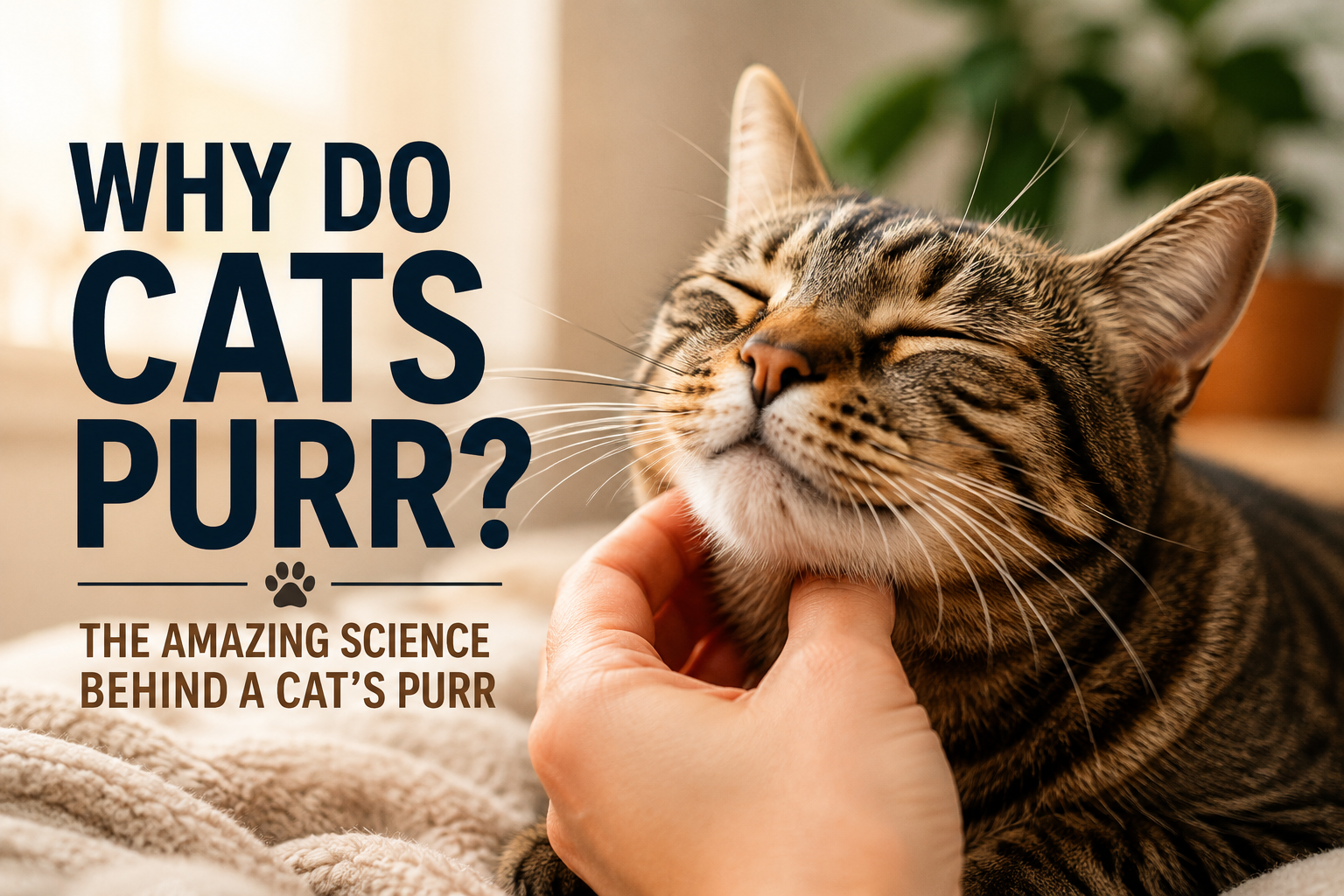
A tabby cat purring while being gently scratched under the chin.
Why Do Cats Purr? The Amazing Science Behind a Cat's Purr
Cats are among the most familiar animals on Earth, yet one of their most distinctive behaviors remains only partially understood. While purring is commonly associated with happiness and affection, scientists now know that cats purr in many different situations, including relaxation, communication, stress, injury, and even recovery from illness.
Unlike a meow, which is primarily used to communicate with humans, purring is believed to serve multiple biological and social functions. Researchers continue to study exactly how purring is produced and why it evolved, making it one of the most fascinating vocal behaviors in the animal kingdom.
What Produces a Cat's Purr?
For many years, scientists debated the mechanism behind purring. Modern research suggests that the sound originates in the larynx (voice box).
The brain repeatedly sends rhythmic electrical signals to the muscles that control the vocal folds. These muscles contract and relax approximately 25 to 30 times every second, causing the vocal folds to rapidly open and close. As the cat breathes both inward (inspiration) and outward (expiration), air flows through the vibrating vocal folds, creating the continuous purring sound.
Unlike many other vocalizations, purring continues during both inhalation and exhalation, producing the uninterrupted vibration that cat owners recognize immediately.
Although this explanation is widely accepted, researchers continue to investigate the exact biomechanics involved, making purring an active area of scientific study.
Why Do Cats Purr?
Purring serves several different purposes depending on the situation.
Contentment and Social Bonding
The most familiar reason is contentment. Cats commonly purr while resting, being stroked, nursing kittens, or interacting peacefully with trusted humans and other cats. In these situations, purring appears to strengthen social bonds and communicate that the animal feels safe.
 Recommended Product
Catit Senses 2.0 Self Grooming Cat Brush
Cats naturally enjoy rubbing against objects when they feel relaxed and comfortable. The Catit Senses 2.0 Self Grooming Cat Brush encourages this natural behavior while helping remove loose fur and providing gentle stimulation. It's a simple enrichment accessory that many indoor cats enjoy.
⭐ Rating: 4.5/5
Mother and Kittens
Domestic kittens begin purring within just a few days after birth. Because newborn kittens are born blind and deaf, purring provides gentle vibrations that help maintain contact with their mother during nursing. Mother cats also purr while caring for their young, creating an important form of communication before vision and hearing fully develop.
Stress, Fear, and Pain
Cats also purr during stressful experiences such as veterinary visits, transportation, injury, or illness. This surprised scientists because the behavior clearly occurs when the animal is not relaxed.
One explanation is that purring functions as a self-soothing mechanism, helping reduce stress by influencing the nervous system in much the same way rhythmic breathing can calm humans.
Can Purring Help Cats Heal?
One of the most interesting scientific hypotheses suggests that purring may contribute to healing.
Most domestic cats purr at frequencies between 25 and 150 hertz (Hz). Laboratory studies have shown that mechanical vibrations within parts of this frequency range can stimulate:
Bone growth
Tissue repair
Wound healing
Muscle recovery
Reduced inflammation
Scientists emphasize that this does not prove cats heal themselves by purring. However, the overlap between natural purring frequencies and frequencies used experimentally in medical research has made this an important area of ongoing investigation.
Researchers continue to study whether purring provides measurable physiological benefits beyond communication.
Do Big Cats Purr?
Not all members of the cat family purr in the same way.
Domestic cats, bobcats, cheetahs, lynxes, and cougars produce true continuous purrs during both inhalation and exhalation.
Lions, tigers, leopards, and jaguars belong to a different evolutionary branch. Their specialized anatomy allows them to roar powerfully but prevents the continuous purring pattern seen in smaller cats. Some may produce short rumbling vocalizations, but these are not considered true purrs.
Amazing Cat Purr Facts
Domestic cats usually purr between 25–30 Hz.
Kittens begin purring only a few days after birth.
Cats can purr while inhaling and exhaling.
Cats often purr during both pleasant and stressful situations.
Scientists are still studying exactly how purring is generated.
Conclusion
A cat's purr is far more than a sign of happiness. It is a sophisticated biological behavior involving the nervous system, vocal anatomy, communication, and possibly even healing. Although researchers have answered many questions about purring, important mysteries remain. Every new study helps scientists better understand one of nature's most familiar—and most remarkable—sounds.
Affiliate Disclosure
This article contains affiliate links. If you purchase a product through one of our links, we may earn a small commission at no extra cost to you. Our recommendations are based on our research and opinions, and we only feature products we believe can provide value to our readers.
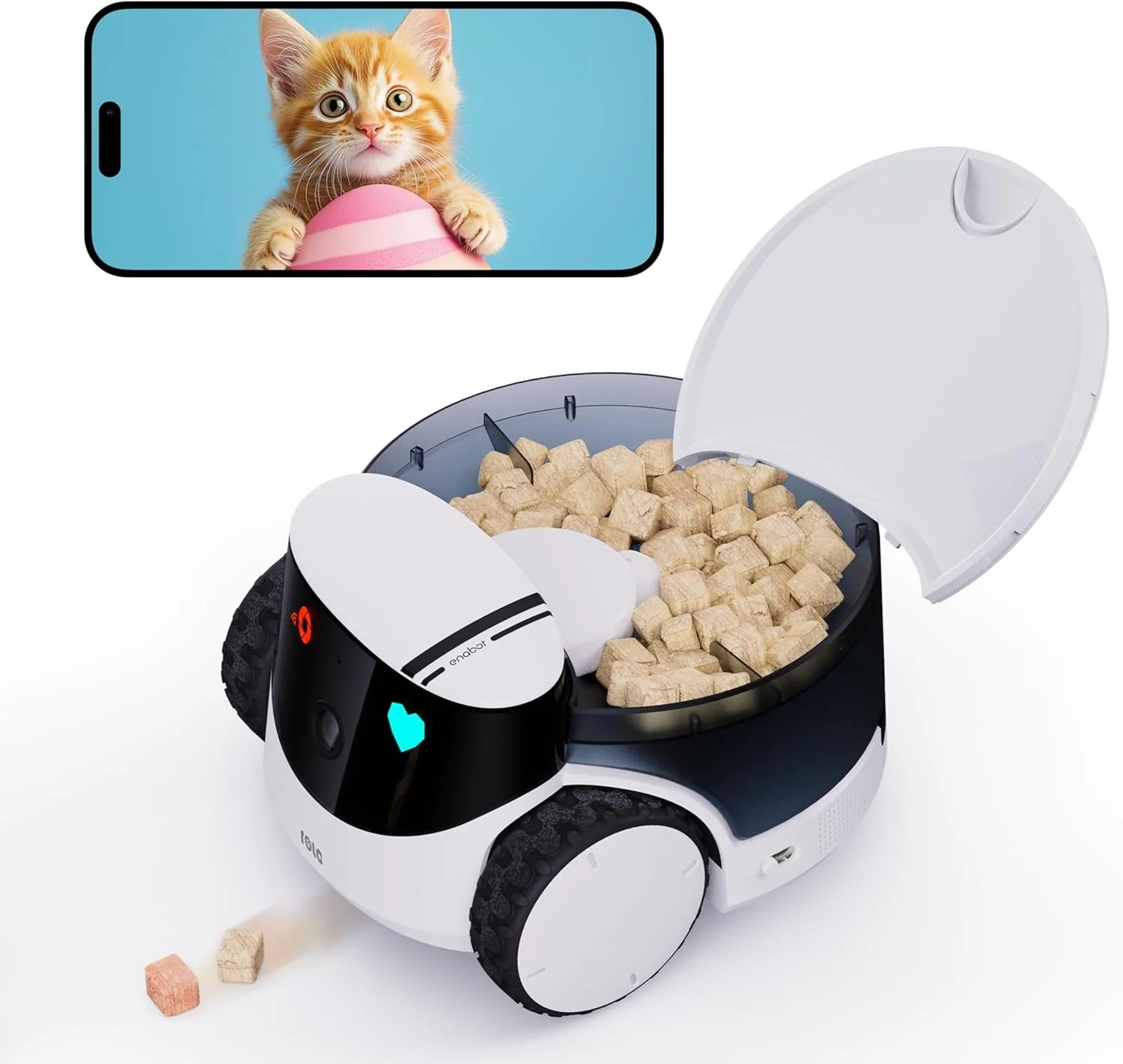 Recommended Product
Enabot EBO ROLA PetPal Mobile 2.5K Pet Camera Robot with Treat Dispenser
Cats are social animals, and many indoor cats benefit from interaction and stimulation throughout the day. This mobile pet camera lets owners check on their cats remotely, communicate through two-way audio, and even reward them with treats while away.
Why We Recommend It
2.5K camera for monitoring your cat
Two-way audio communication
Mobile design allows remote interaction
Built-in treat dispenser
Helps provide enrichment when owners are away
⭐ Rating: 4.7/5
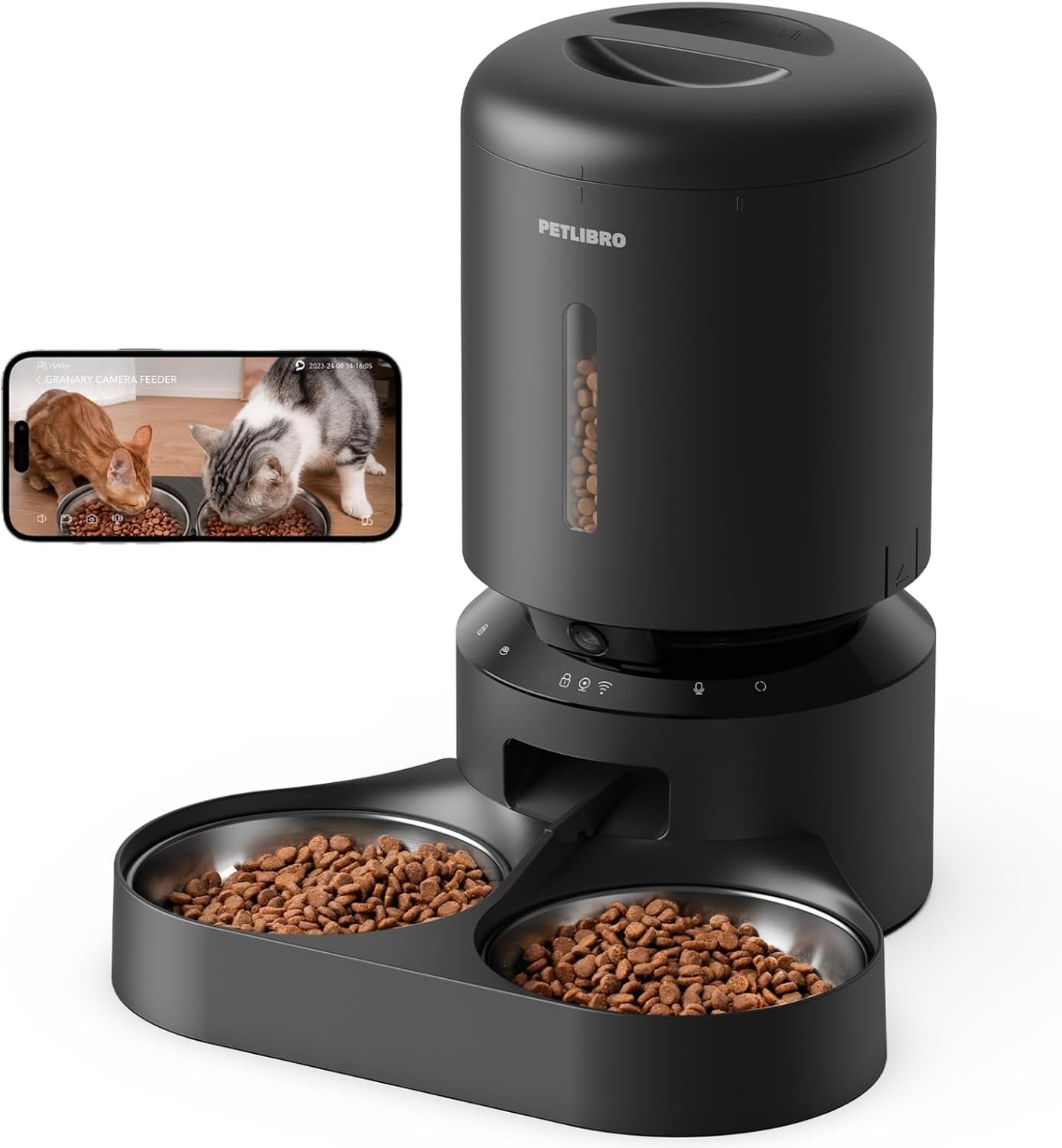 Recommended Product
PETLIBRO Automatic Cat Feeder with Camera
Description:
Keeping a consistent feeding schedule can be challenging for busy cat owners. The PETLIBRO Automatic Cat Feeder with Camera helps make mealtime easier by allowing owners to schedule feedings, monitor their cats remotely, and stay connected through smart features.
Why We Recommend It
Built-in camera for remote monitoring
Automatic feeding schedules
WiFi app control
Helps maintain consistent meal routines
Great for owners who are away during the day
⭐ Rating: 4.0/5
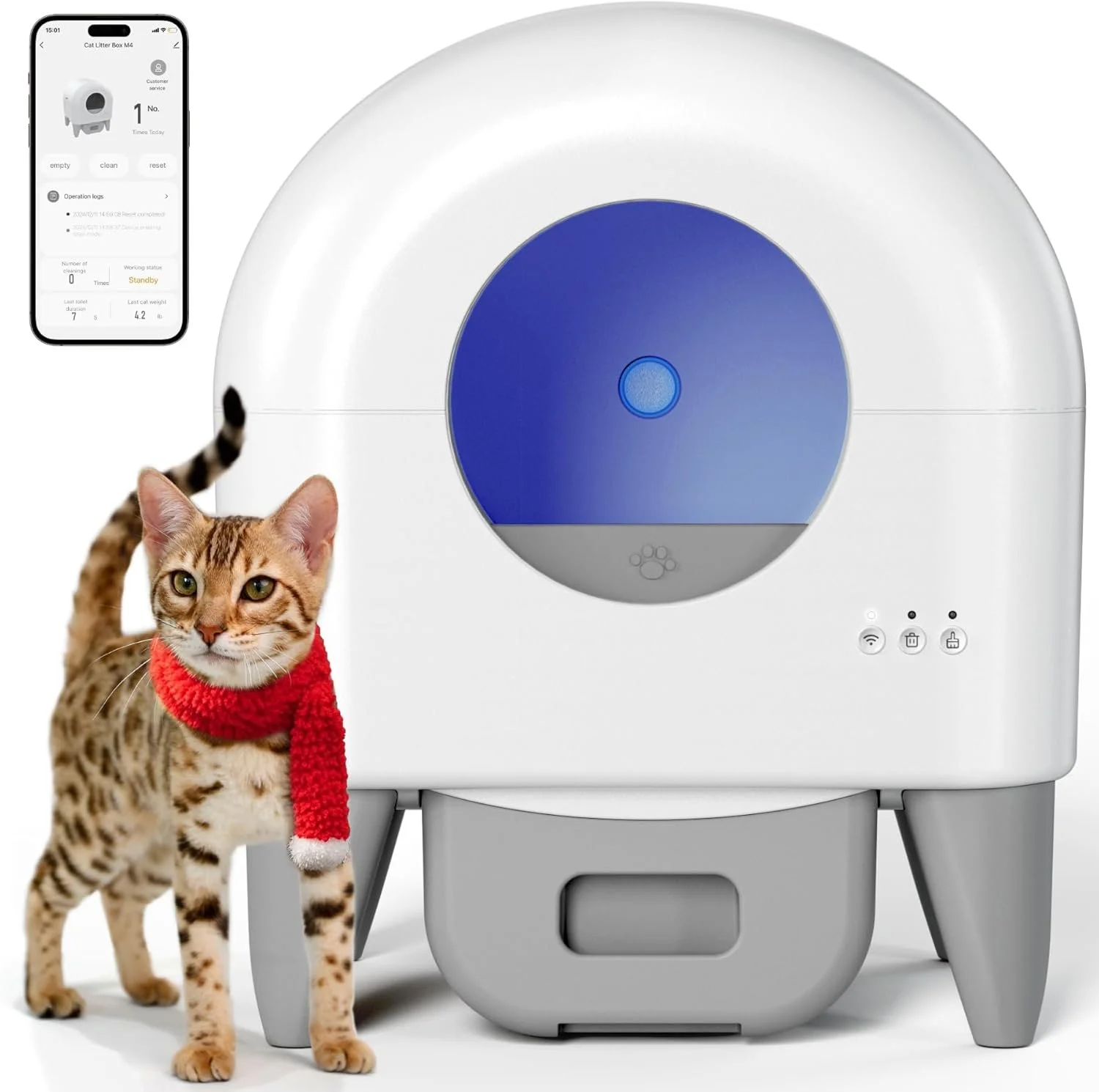 Recommended Product
Self-Cleaning Automatic Cat Litter Box
Description:
Cleaning the litter box is one of the biggest daily tasks for cat owners. A self-cleaning litter box helps reduce maintenance by automatically removing waste, keeping the area cleaner and making cat care easier.
Why We Recommend It
Automatic self-cleaning system
Helps reduce daily scooping
Large capacity design for multiple cats
Safety sensors for added protection
Smart convenience for busy cat owners
⭐ Rating: 4.2/5
